.avif)
How Agencies and Freelancers Can Win Local Search in the Age of AI
For most of my career in digital marketing, search engine optimization has been relatively straightforward in concept: understanding what prospective customers are searching for, creating relevant content, building authority, and making sure search engines can find and understand your website. Local search, as a subset of SEO, has its own set of rules and agencies interested in recruiting talent, partners or new clients need to understand the evolving rules.
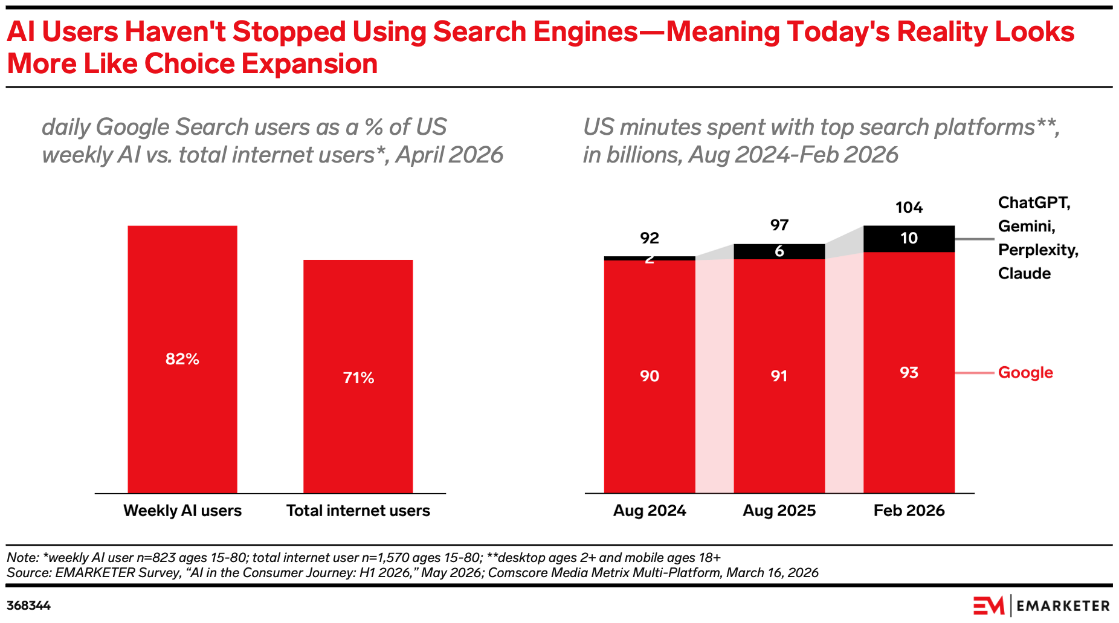
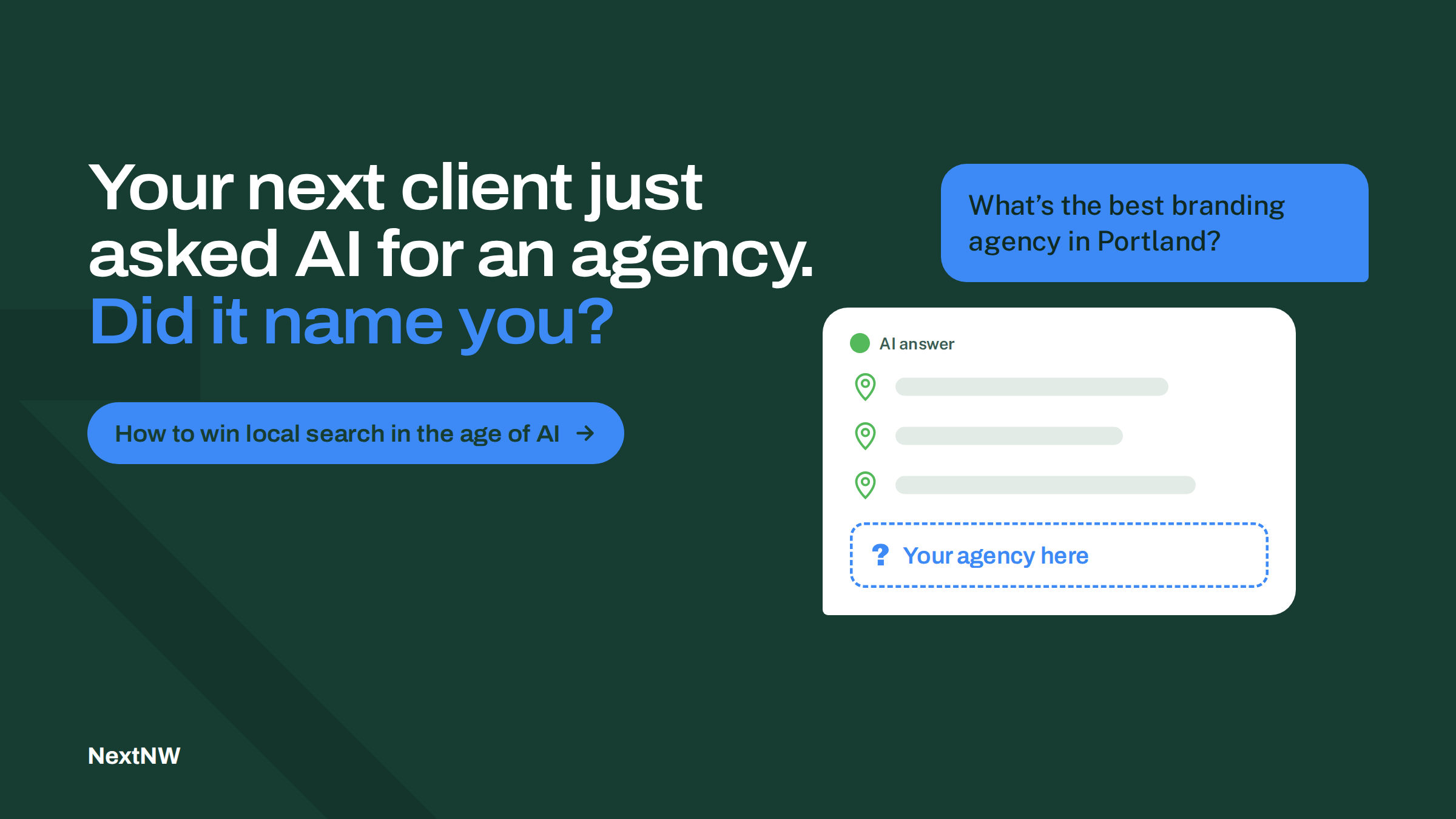
The fundamentals haven’t disappeared, but the playing field has changed dramatically. Today, your next client may find your agency through Google Maps, ask ChatGPT for the “best branding agency in Portland,” search Reddit for recommendations, watch a YouTube video or discover a freelancer through LinkedIn. Over the years, I’ve identified seven areas that increasingly influence visibility in local search: Answer Engine Optimization (AEO), hyper-local optimization, citations and entity authority, Google Business Profile, reviews and reputation, topical authority, and behavioral signals.
For independent agencies, consultants and freelancers, this shift creates both a challenge and an opportunity. The challenge is that there are more places to optimize and monitor. The opportunity is that smaller firms can compete remarkably well with larger agencies if they are focused, credible and consistent.
Optimize for answers, not just rankings
AI search has fundamentally changed the customer journey. Google AI Overviews and tools like ChatGPT can answer questions before a prospect ever visits your website. The first step in local search marketing is Answer Engine Optimization, or AEO. The goal is to become the answer AI provides rather than simply another blue link in search results.
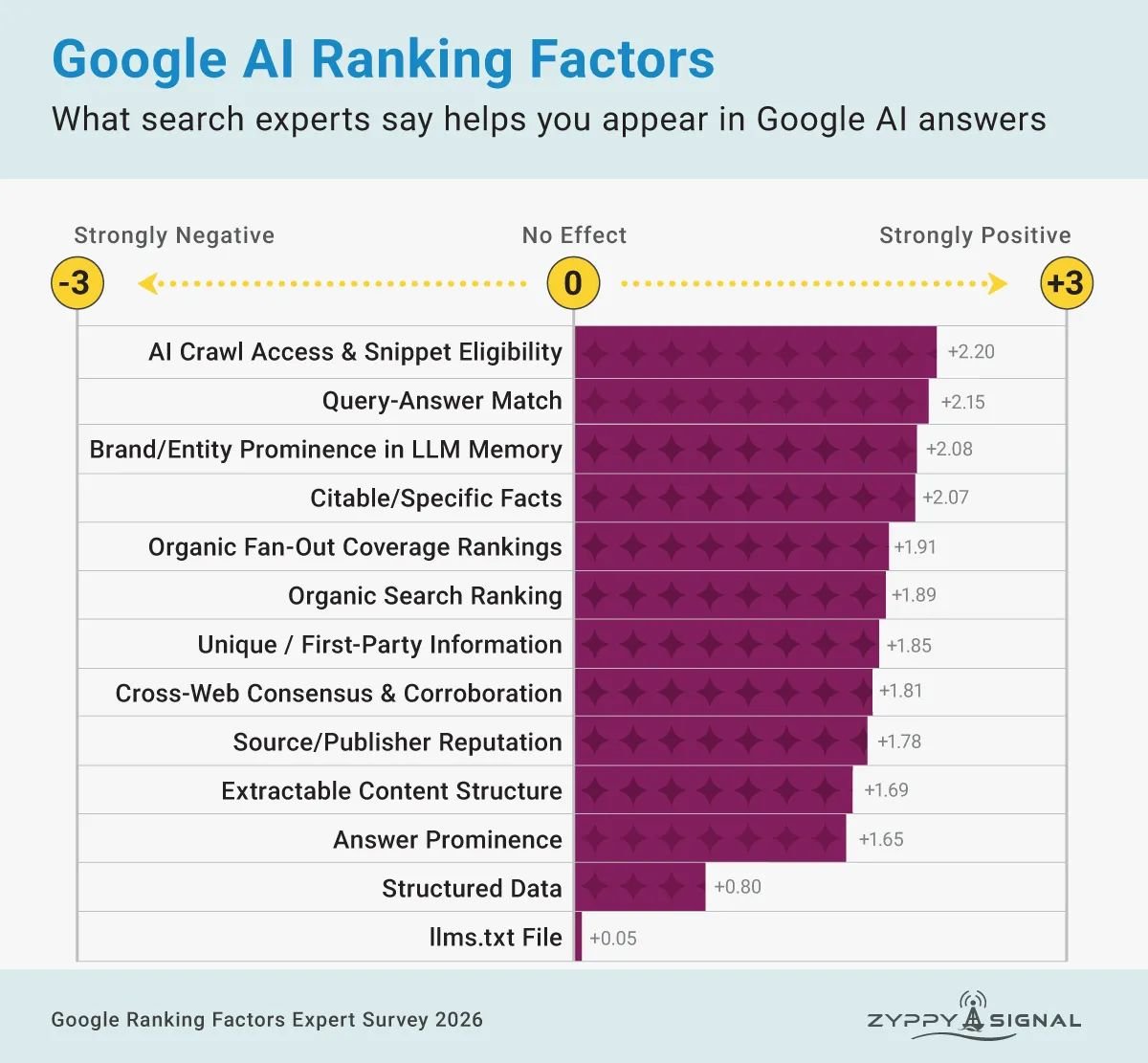
For an agency or freelancer, that means creating clear content around questions prospective clients ask. How much does a branding agency cost? What should a small business spend on paid search? How long does an SEO engagement take? Should I hire a freelancer or an agency? What should I look for when hiring a fractional CMO?
Avoid burying the answers beneath 1,500 words of keyword-stuffed copy. Answer the question directly, then demonstrate your expertise. Think less like an SEO copywriter and more like the expert an AI platform should quote or recommend.
Go hyper-local before going national
Many agencies want to look bigger than they are. Their websites talk about serving “nationwide brands” when most of their actual clients come from a 50-mile radius. There is nothing wrong with pursuing national clients, but there is a convincing argument for owning your backyard first. A Seattle video production company might develop resources about producing corporate video in Seattle, Bellevue, and Tacoma. A Bend marketing consultant might write about marketing strategies for Central Oregon tourism companies, professional services firms, or startups.
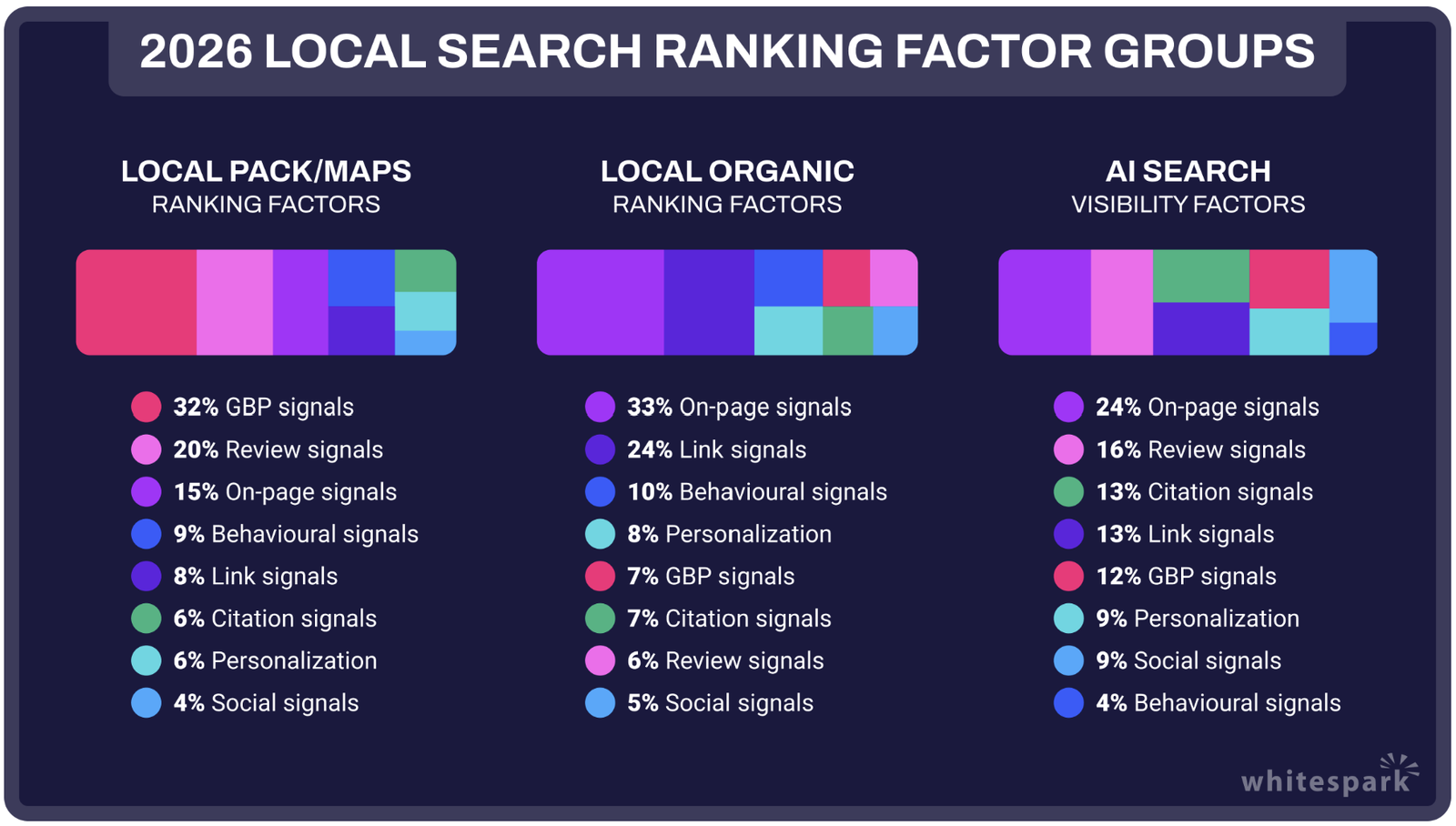
The keyword is meaningful. Don’t generate 50 nearly identical city pages with AI and simply swap out the city name. Create useful content that demonstrates actual knowledge of the market. I recommend starting with your home market and expanding outward while incorporating real local proof of relevance, including clients, photographs, partnerships, landmarks, and community involvement.
Build your digital entity
Google and AI platforms need to understand that your business is real, credible, and connected to a specific place and area of expertise. That means consistency matters.
Make sure your agency name, address, phone number, website, and business description are consistent across Google, LinkedIn, Facebook, industry directories, chambers of commerce and relevant professional organizations. Look for unlinked mentions of your company and turn the highest quality examples into backlinks. Local partnerships, sponsorships, and nonprofit involvement can also create valuable authority signals.
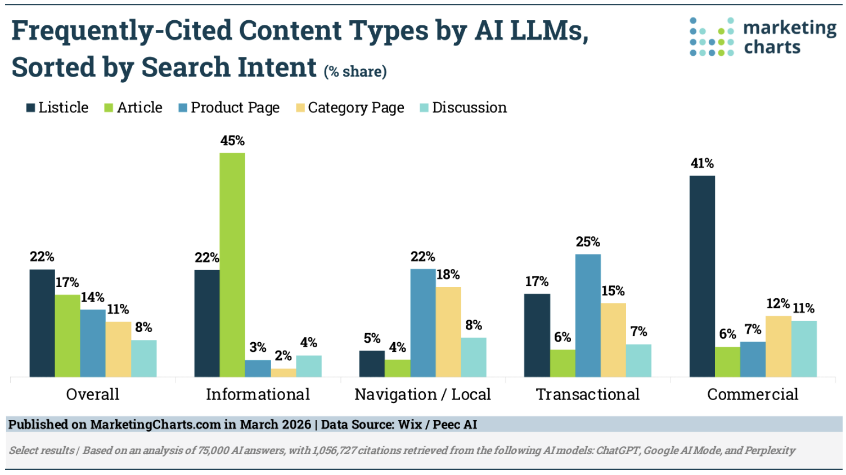
For freelancers, your personal brand is often the entity. Your LinkedIn profile, website bio, speaking profiles, association memberships, podcast appearances, and contributed articles should reinforce a consistent story about who you are and what you know. In an AI-driven world, your entire digital footprint becomes your résumé.
Stop ignoring Google Business Profile
For agencies with a legitimate physical presence or an eligible service-area business, Google Business Profile may be one of the most underutilized free marketing assets available. Complete every relevant field, select accurate categories, add current photographs, publish updates, keep your hours, and contact information accurate. A complete and accurate profile is essential for local rankings. Update with promotions and fresh images to keep your profile fresh, credible, and attractive.
There is another benefit for marketing professionals. Optimizing your own profile gives you firsthand experience you can apply to clients. If your agency sells local SEO services but its own Google presence is neglected, prospective clients may notice. Your agency should have its own case study.
Turning reputation into a marketing channel
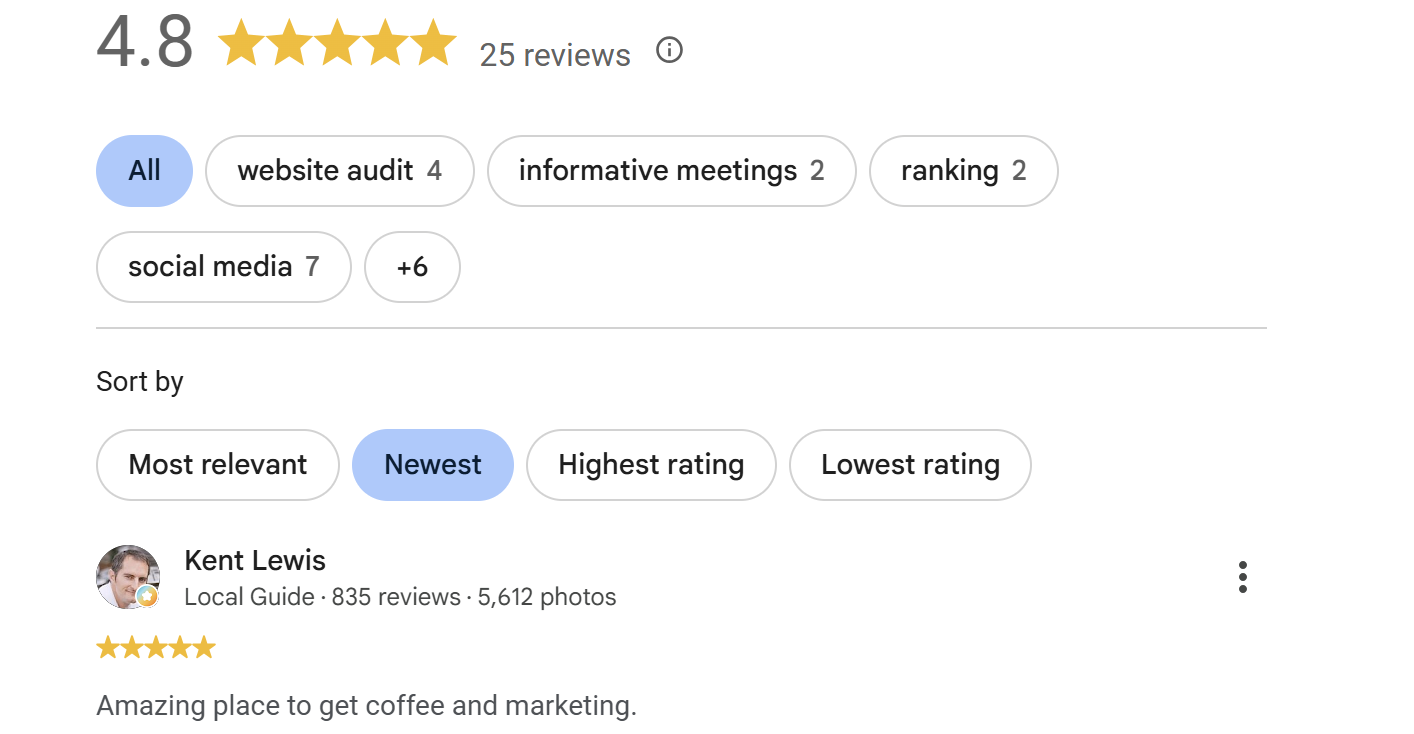
Agencies have traditionally been terrible at asking for reviews. We finish a successful engagement, receive a nice email from the client, and move on to the next project. That compliment should become a testimonial, case study, LinkedIn recommendation or Google review, with permission, of course.
Build the request into your process. After a successful launch, campaign milestone, quarterly review or particularly positive client conversation, ask for a review. Just as importantly, respond to the reviews you receive. I recommend making client review solicitation and response to online reviews an ongoing discipline.
For professional services firms, reputation is much more than a ranking signal. It is sales collateral. A prospect comparing three agencies is likely to care about what previous clients say, particularly when the services are difficult to evaluate before purchase. While there are many local directories and industry review sites, don’t spread yourself too thin. Creative services firms should focus on Google, LinkedIn, and industry review sites like Clutch, G2, DesignRush, and Agency Spotter.
Build topical authority around what you know
You don’t need to publish three mediocre AI-generated articles a week. I’d rather see an agency publish one genuinely useful article a month based on its real expertise and experience. A media agency could analyze changes in programmatic advertising. A branding firm could break down a recent rebrand. A freelance copywriter could explain how AI has changed content workflows. A paid media specialist could publish anonymized campaign benchmarks. A web development shop could explain the mistakes it sees repeatedly when inheriting websites from other developers.
The objective is to create a body of evidence demonstrating expertise. The presentation reinforces the importance of giving each page a clear purpose, using a logical page structure and monitoring performance through Google Search Console. Your best content should answer the questions you hear during sales calls and pitches. If prospects continually ask the same question, chances are good they are also asking Google, ChatGPT, and other AI platforms.
Measure leads, not rankings
Finally, stop celebrating rankings that don't generate business. Traffic is nice. Ranking first feels good. Neither does it cover payroll. Measure website visits, qualified form submissions, phone calls, booked meetings and, ultimately, new business. Use GA4 and Google Search Console and consider call tracking when phone leads matter. Establish a monthly reporting habit so you can identify trends instead of reacting to isolated data points. Develop a measurement framework which focuses on website visits, calls, form submissions, cost per lead, rankings, review volume and quantity and quality of online ratings and reviews.
The more important question isn’t, “Did our organic traffic increase 17 percent?” It is, “Did local search generate more qualified opportunities, and did those opportunities turn into revenue?” For digital agencies, consider measuring revenue generated from local search-related services.
The advantage still belongs to experts
AI hasn’t eliminated local SEO. It has expanded it. Your website is still important, but increasingly it is only one component of your discoverability. Your reviews, social profiles, directory listings, videos, articles, partnerships, mentions, and reputation collectively tell search engines and answer engines whether you deserve to be recommended.
That should be encouraging for freelancers and independent agencies. You probably can’t outspend the holding companies, and you don’t need to. You can specialize more deeply, demonstrate stronger local or industry vertical knowledge, create more useful content and build genuine relationships within the communities and industries you serve.
Local search has always been about earning visibility by demonstrating relevance and authority. AI hasn’t changed that fundamental equation. It has simply expanded the number of places where those signals are evaluated. For agencies and freelancers, they are willing to build a credible, consistent, and useful digital presence, which creates a significant opportunity.

Stay connected with NextNW
Get insights delivered straight to your inbox every month or learn more about becoming a member!